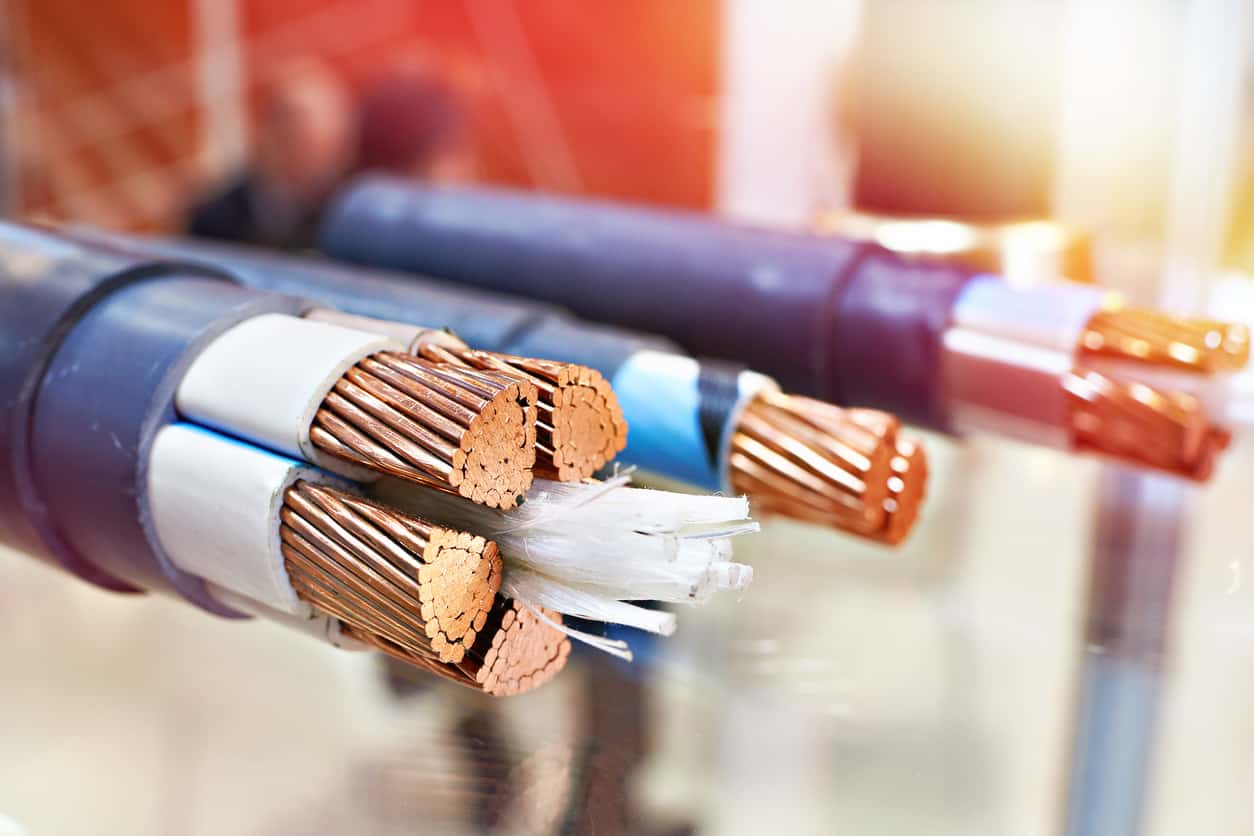
The Unsung Importance of Cables: How They Power Our Digital World
The significance of cables in our modern digital landscape cannot be overstated. Often overshadowed by the glitz of wireless technology, these humble conduits are responsible for the seamless connectivity we enjoy today. Whether it's your home internet, office network, or even the global data transfer that powers the cloud, cables serve as the backbone of communication. From fiber optics to traditional copper wiring, each type of cable plays a crucial role in transmitting vast amounts of data at lightning speeds. Understanding this intricate web of connections helps us appreciate the engineering marvel that keeps our digital world alive.
Additionally, the longevity and reliability of cables in various applications demand attention. For instance, in environments where wireless signals struggle to penetrate, such as densely populated urban areas or inside buildings with thick concrete walls, cables ensure uninterrupted access. Furthermore, advancements in cable technology, like Cat 6 and Cat 7 Ethernet cables, have revolutionized speed and performance for both commercial and personal users. It's essential to recognize that while we may favor the convenience of wireless connections, the true backbone of our connectivity continues to be these often-overlooked, yet indispensable, cables.
Counter-Strike is a highly popular multiplayer first-person shooter (FPS) game that has captivated millions of players around the world. Known for its competitive gameplay and strategic elements, it involves two teams, terrorists and counter-terrorists, working to complete specific objectives. Players often seek ways to enhance their gaming experience, such as using the Top 10 Travel Electronics Organizers to keep their gear organized during tournaments or LAN events.
Exploring the Different Types of Cables: Which One Do You Really Need?
In today's tech-savvy world, understanding the various types of cables is essential for choosing the right one for your needs. From HDMI cables for high-definition video and audio, to USB cables for data transfer, the options can be overwhelming. In general, cables can be categorized into several types, including:
- Power Cables: These are used to connect and supply power to devices.
- Data Cables: These cables transfer data between devices, including Ethernet and USB.
- Audio/Video Cables: These are specialized for transmitting audio and video signals, with HDMI and RCA cables being popular choices.
When deciding which cable to use, consider the specific requirements of your devices and the quality of performance you desire. For example, if you're looking to connect your gaming console to your TV, an HDMI cable is ideal for high-definition support. Conversely, if you need to connect peripherals like a keyboard or mouse to your computer, a USB cable is the way to go. Ultimately, the right cable enhances not only the efficiency of your setup but also ensures reliable connectivity.
What Happens When Cables Fail? The Ripple Effect on Our Connectivity
When cables fail, the immediate consequences can be strikingly disruptive. Whether it's a fiber optic line or a copper network cable, a failure can lead to significant communication breakdowns. Connectivity is often compromised, resulting in slow internet speeds, interrupted service, or a complete blackout of online resources. Businesses that rely on stable internet connections may experience downtime, leading to lost revenue and frustrated customers. This disruption is not limited to one area, as the nature of our interconnected world means that the fallout can impact multiple users and services across vast geographical distances.
The ripple effect of cable failures extends beyond mere inconvenience. Consider a scenario where a primary internet service provider's cable is damaged; this can result in connectivity issues for countless subscribers. In critical sectors, such as healthcare, such disruptions can impede services ranging from telemedicine to electronic health records. Furthermore, as people increasingly rely on digital platforms for work and social interactions, the failure of a single cable can magnify the importance of robust, redundant systems. As we navigate a world increasingly dependent on technology, understanding the implications of cable failures is essential in ensuring resilience and continuity in our connectivity.