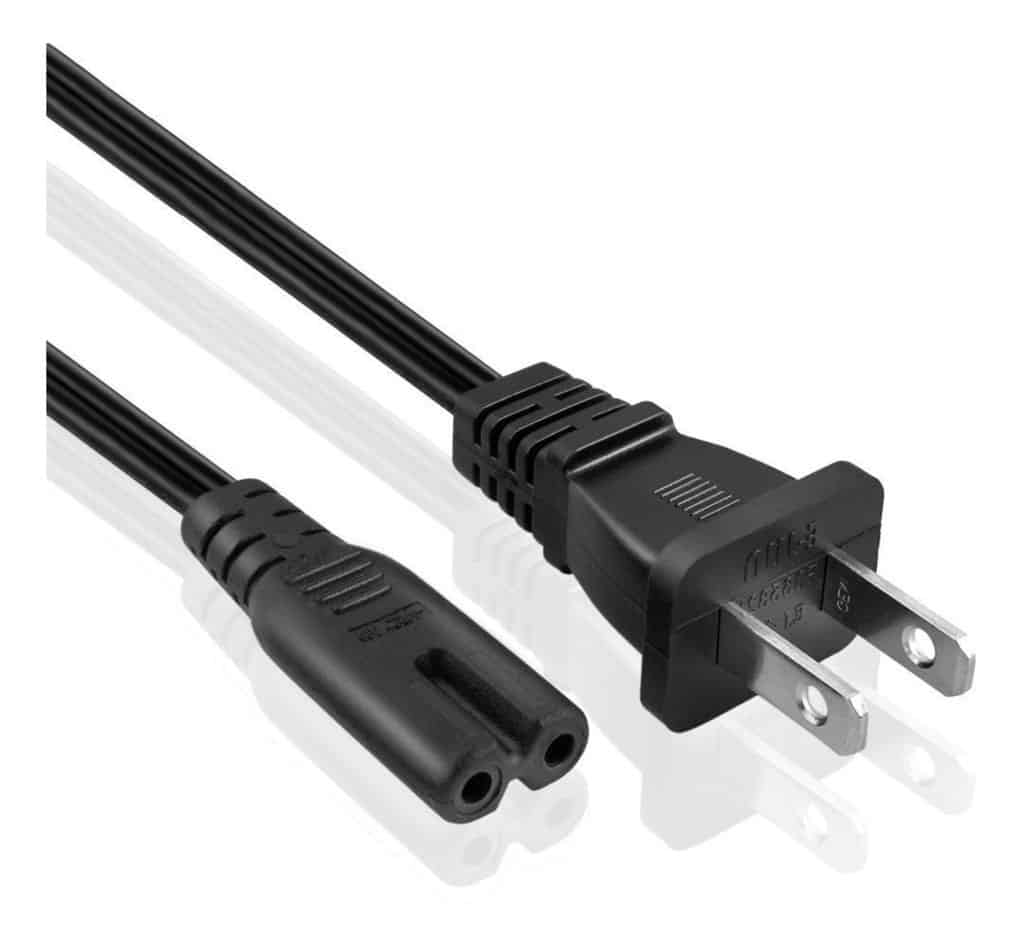
The Hidden Role of Cables in Everyday Technology: What You Didn't Know
In today's fast-paced world, we often take for granted the silent workhorses behind our tech devices: cables. These unassuming conduits play a critical role in ensuring that our gadgets function seamlessly. From charging our smartphones to connecting our laptops to projectors, cables are essential in transmitting power and data. Without them, our beloved devices would be little more than expensive paperweights. Did you know that there are multiple types of cables designed specifically for different technologies? From HDMI and USB to Ethernet and power cables, each serves a unique role in enhancing our connectivity and communication, often without us realizing it.
Moreover, cables are constantly evolving to meet the demands of higher-speed data transfer and improved performance. For instance, the rise of USB-C technology has revolutionized the way we connect devices, allowing for faster charging and data transfer while eliminating the need for multiple types of cables. Consider the following key points regarding the hidden role of cables in our everyday lives:
- They enable critical connections between devices, enhancing user experience.
- They come in various formats to support a range of technologies and standards.
- Upgrading to better-quality cables can improve performance and longevity of your devices.
By understanding the significance of cables, we can better appreciate the intricate network that supports our daily technology.
Counter-Strike is a popular tactical first-person shooter that has been a staple in competitive gaming for years. Players engage in intense matches where teamwork and strategy are crucial for success. For those looking to enhance their gaming setup, exploring the Top 10 usb c accessories can provide some excellent options. With various game modes and maps, Counter-Strike continues to evolve, attracting both casual players and professional gamers.
Understanding Different Types of Cables: Which One is Right for Your Devices?
When it comes to connecting your devices, understanding the different types of cables is essential. From USB cables to HDMI and Ethernet cables, each serves a distinct purpose. USB cables, for instance, are widely used for charging and data transfer between devices. They come in various types, including USB-A, USB-C, and Mini USB. On the other hand, HDMI cables are crucial for transmitting high-definition video and audio from sources such as computers and gaming consoles to displays like TVs and monitors.
Choosing the right cable depends on your specific needs and the devices you are using. Here's a quick rundown of different types of cables to consider:
- HDMI: Ideal for connecting to high-definition displays.
- USB: Best for data transfer and charging, with multiple variations for different uses.
- Ethernet: Essential for stable and fast internet connections.
- Audio Cables: Necessary for connecting speakers and audio equipment.
By understanding these types of cables, you can ensure that you choose the correct one for your devices, enhancing their functionality and performance.
How Cables Impact Your Internet Speed and Overall Connectivity
When it comes to your internet speed and overall connectivity, the type of cables you use plays a crucial role. Different cables, such as Cat5e, Cat6, and fiber optic, have varying capacities for data transfer rates. For instance, Cat5e cables can support speeds up to 1 Gbps, while Cat6 cables can handle speeds of up to 10 Gbps over short distances. This means that if you're using outdated or lower-quality cables, you may not be getting the full benefit of your internet service plan.
In addition to the capacity for speed, the quality of the cables also affects overall connectivity. Poorly insulated or damaged cables can lead to interference and signal loss, which can manifest as slow download speeds or inconsistent connections. To ensure optimal performance, it’s essential to regularly check and upgrade your network cables as needed. Investing in high-quality cables not only enhances internet speed but also provides a more reliable and stable connection for all your online activities.