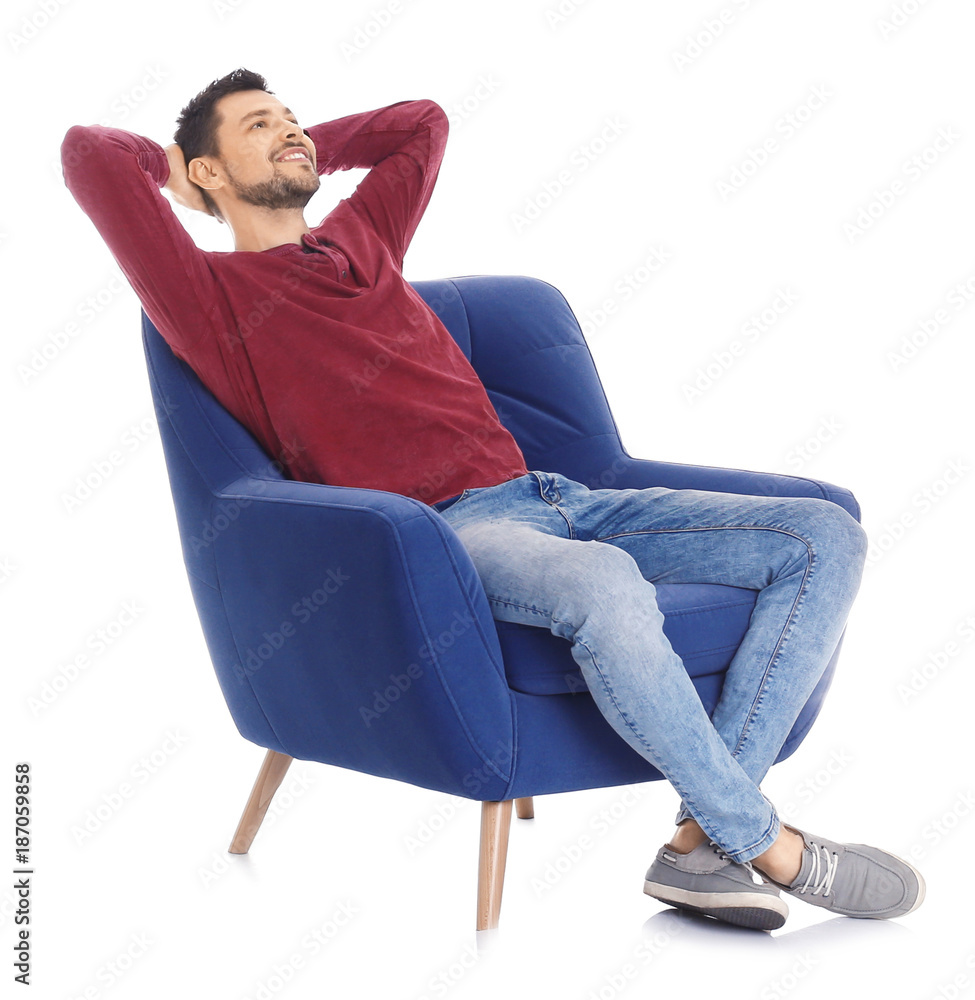
The Science of Comfort: What Makes an Object Cozy?
The concept of comfort is often subjective, but science suggests that certain physical and psychological factors contribute to what makes an object feel cozy. One major element is texture; soft, plush fabrics tend to evoke a sense of warmth and security. For instance, materials like fleece, velvet, or cotton not only provide a delightful tactile experience but also increase the body's perception of warmth. Additionally, colors play a significant role; warm tones such as reds, oranges, and browns are generally associated with feelings of relaxation and safety. Together, these factors create an inviting atmosphere that enhances our overall sense of comfort.
Furthermore, the concept of comfort extends beyond physical attributes to include the psychological environment around an object. For example, familiarity can greatly influence our perception of coziness; items that we have a personal connection with, such as a childhood blanket or a favorite chair, often evoke feelings of nostalgia and happiness. Surroundings are equally vital; a well-arranged space that incorporates elements like plants, warm lighting, and minimal clutter can enhance the coziness of an object. Ultimately, the science of comfort combines both sensory experiences and emotional connections, making some objects feel irresistibly cozy to us.
Counter-Strike is a popular series of multiplayer first-person shooter video games that originated in the late 1990s. Players can engage in various modes, pitting teams of terrorists against counter-terrorists in strategic missions. In addition to gaming, players often seek out accessories to enhance their gaming experience, just as one might look for the Top 10 Lightweight Apple Watch Bands to complement their style while gaming on the go.
From Clouds to Cushions: A Quest for the Ultimate Comfort
In our fast-paced world, achieving the ultimate comfort is akin to discovering hidden treasures. From the softest cloud-like pillows to luxurious cushions that provide the perfect support, the quest for comfort is never-ending. We yearn for items that cradle our bodies while enhancing our relaxation, thereby transforming our homes into sanctuaries of serenity. Understanding what constitutes ultimate comfort is essential—whether it’s the material, design, or firmness; each aspect plays a crucial role in elevating our living spaces.
To embark on this journey, consider exploring various types of cushions and pillows that promise to deliver that much-desired coziness. Here are some factors to take into account:
- Material: Look for breathable fabrics and supportive fillings.
- Design: Ergonomics can significantly enhance comfort.
- Size: Ensure that the dimensions fit your space and preferences.
Investing in the right pieces can transform a room, allowing you to sink into blissful relaxation and truly enjoy the comforts of home.
Can You Measure Comfort? Exploring the Metrics of Relaxation
Measuring comfort can seem like an abstract concept, but it is gaining traction in both scientific and consumer circles. Comfort encompasses various elements, including physiological, psychological, and situational factors. In the context of personal relaxation, metrics might include heart rate variability, skin temperature, and even self-reported satisfaction levels. As technology advances, wearables and apps can provide insights into how different environments affect our sense of relaxation, ultimately helping us make informed choices about our surroundings.
Moreover, the use of surveys and questionnaires has become a standard way to gauge comfort experiences. For instance, the Comfort Assessment Scale allows individuals to rate their feelings based on multiple parameters, including noise levels, lighting, and seating ergonomics. Incorporating qualitative data collected from focus groups also aids in understanding how varying elements contribute to overall well-being. As we delve deeper, it becomes clear that while comfort can be quantified to some extent, much of it remains subjective, influenced by personal preferences and cultural factors.