Understanding Sleep Stages: What Your Body is Doing During Sleep
Understanding sleep is essential for maintaining overall health and wellness. During sleep, our bodies go through various stages of sleep, which are primarily categorized into two types: REM (Rapid Eye Movement) and non-REM sleep. The non-REM stage is further divided into three phases: N1, N2, and N3. N1 is the lightest stage of sleep, serving as a transition between wakefulness and deeper sleep. In N2, the body begins to relax, heart rate slows, and body temperature drops, while N3, also known as deep sleep, is when the body performs crucial functions such as tissue growth and repair, as well as strengthening the immune system.
On the other hand, REM sleep occurs after about 90 minutes of non-REM sleep and is when most dreaming occurs. During this stage, the brain is highly active, resembling the wake state, and this is crucial for memory consolidation, learning, and emotional regulation. It's recommended that adults aim for 7-9 hours of sleep each night to allow for multiple complete cycles of these sleep stages. By understanding how these stages work, you can take steps to improve your sleep quality, leading to better health outcomes.
Counter-Strike is a highly popular first-person shooter game that pits two teams against each other: Terrorists and Counter-Terrorists. Players must use strategy and teamwork to accomplish objectives, such as bomb defusal or hostage rescue. For gaming enthusiasts looking to enhance their sleep experience, check out the Top 10 Apple Watch Bands for Sleep to improve their nightly routine.
The Benefits of Sleep Tracking: How to Improve Your Rest
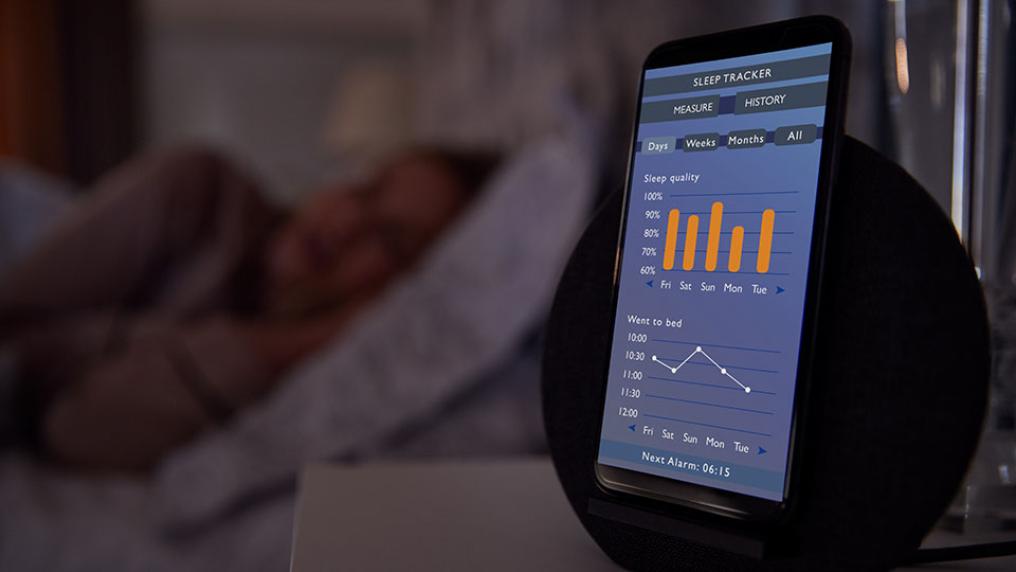
The benefits of sleep tracking extend far beyond merely counting the hours you spend in bed. By utilizing sleep tracking technology, individuals can gain valuable insights into their sleep patterns, helping them identify factors that contribute to poor rest. For instance, many sleep trackers monitor the quality and stages of sleep, including REM and deep sleep. This data enables users to make informed adjustments to their routines, such as avoiding caffeine before bedtime or establishing a relaxing pre-sleep ritual. By engaging with these measurable metrics, you can set realistic goals and improve your overall wellness.
In addition to enhancing your understanding of personal sleep habits, sleep tracking can foster a sense of accountability. Many sleep tracking apps allow you to share your progress with friends or engage with a community, creating a support system that encourages better sleep practices. Some trackers even offer personalized recommendations tailored to your specific sleep patterns, making it easier to implement changes that can lead to more restful nights. To maximize your sleep quality, consider integrating sleep tracking into your lifestyle—your mind and body will thank you.
Is Your Sleep Quality Enough? Key Metrics to Monitor
Many people underestimate the importance of sleep quality, but it plays a crucial role in overall health and wellness. To assess whether your sleep is restorative, consider monitoring key metrics that can offer insights into your nightly rest. Sleep duration is one of the most obvious indicators; adults should aim for 7-9 hours per night. However, it's not just about quantity—quality matters too. Evaluate how often you wake up during the night and how long it takes you to fall asleep. Tracking additional metrics such as sleep cycles, which include REM and deep sleep stages, can provide a clearer picture of how refreshed you feel each morning.
Another vital aspect of sleep quality is sleep consistency. Are you going to bed and waking up at the same time every day? Maintaining a regular sleep schedule can significantly improve your sleep quality. Additionally, consider evaluating your sleep environment: is your bedroom dark, quiet, and cool? These factors contribute to a better sleep experience. Using technology like sleep trackers can help you gather data on these metrics, allowing you to identify patterns and make adjustments where necessary. Remember, investing time in understanding your sleep quality not only enhances your well-being but also boosts productivity and mood in daily life.