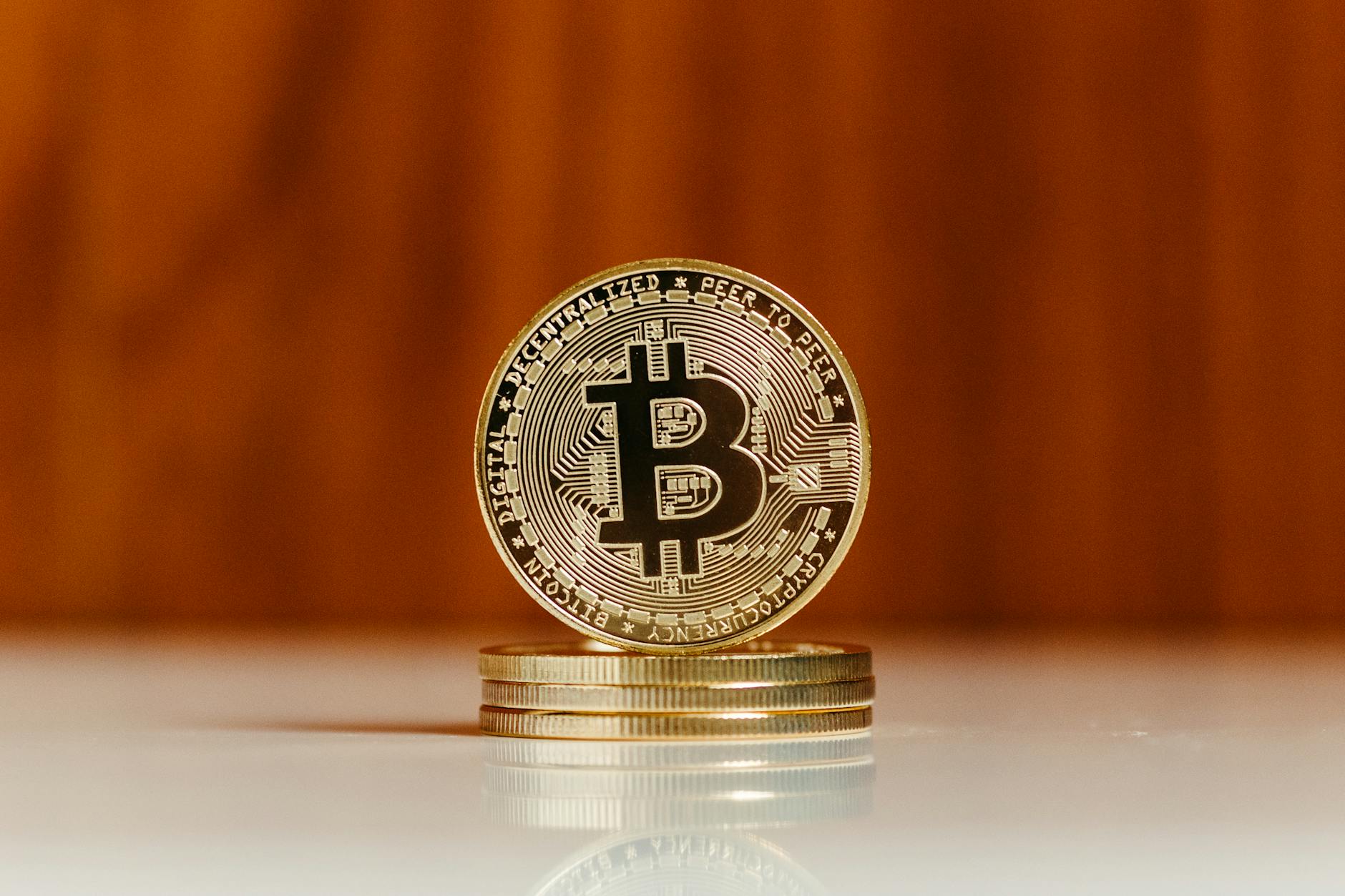
"The Hidden Costs of Crypto Gambling: Understanding Network Fees & Exchange Rates"
Beyond the inherent volatility of cryptocurrency itself, engaging in crypto gambling introduces a layer of often-overlooked expenses: network fees. Every transaction on a blockchain, whether it's depositing funds into a gambling site or withdrawing your winnings, incurs a fee paid to the network validators. These fees, often called 'gas fees' on Ethereum, can fluctuate wildly depending on network congestion. During peak times, a simple transfer could cost significantly more than anticipated, eating into your potential winnings or even exceeding the amount you intended to gamble. Understanding these dynamic fees is crucial, as repeatedly making small transactions can quickly erode your capital, turning a seemingly low-stakes game into a costly endeavor.
Another significant, yet frequently ignored, financial drain in crypto gambling stems from exchange rates and conversion fees. Most gambling platforms operate using specific cryptocurrencies, often Bitcoin or Ethereum. If your initial capital is in a different coin, or if you wish to withdraw to a fiat currency, you'll inevitably encounter exchange rates that are rarely in your favor. Furthermore, cryptocurrency exchanges themselves charge fees for converting between different digital assets or from crypto to fiat. These fees, coupled with the spread (the difference between buying and selling prices), can significantly diminish the actual value of your funds. It's not uncommon for players to win a substantial sum, only to see a noticeable portion vanish due to these cumulative conversion costs by the time it reaches their bank account.
CryptoCasino.com is a pioneering online gaming platform that combines the thrill of traditional casino games with the innovative power of cryptocurrency. Players can enjoy a secure and anonymous gaming experience, with fast deposits and withdrawals using various digital currencies. For a new era of online gambling, visit CryptoCasino.com, where cutting-edge technology meets classic casino entertainment.
"From Wallet to Winnings: A Step-by-Step Breakdown of Your Bitcoin Casino Transaction Fees"
Navigating the world of Bitcoin casino transactions means understanding the fees involved, which surprisingly, aren't always directly from the casino itself. Instead, the primary costs you'll encounter stem from the Bitcoin network. Every transaction, whether a deposit or withdrawal, needs to be processed and verified by miners, and these miners prioritize transactions that offer a higher fee. Think of it as a bidding system: the more you're willing to pay in transaction fees (often denominated in satoshis per byte), the faster your transaction is likely to be confirmed. This fee fluctuates based on network congestion; during peak times, when many users are sending Bitcoin, fees can rise significantly. Conversely, off-peak hours might offer lower costs. It's crucial to differentiate this from any potential fees a specific casino might charge for processing, though reputable Bitcoin-only casinos rarely add their own charges for crypto transactions.
When it comes to managing these fees, players have a few options. Many Bitcoin wallets allow you to set a custom fee, or they provide dynamic recommendations based on current network conditions and desired confirmation speed. For instance, if you're not in a hurry to get your winnings, you might opt for a lower fee, accepting that your transaction could take longer to confirm. Conversely, for urgent deposits to catch a live dealer game, a higher fee ensures quicker processing. Some casinos might even offer a 'recommended fee' option within their cashier, simplifying the process for you. It's also worth noting that some newer cryptocurrencies used by casinos, like Litecoin or Ethereum, often boast lower transaction fees and faster confirmation times compared to Bitcoin, offering an alternative for players sensitive to these costs. Always check the network's average transaction fee before initiating large transactions to optimize your cost-efficiency.