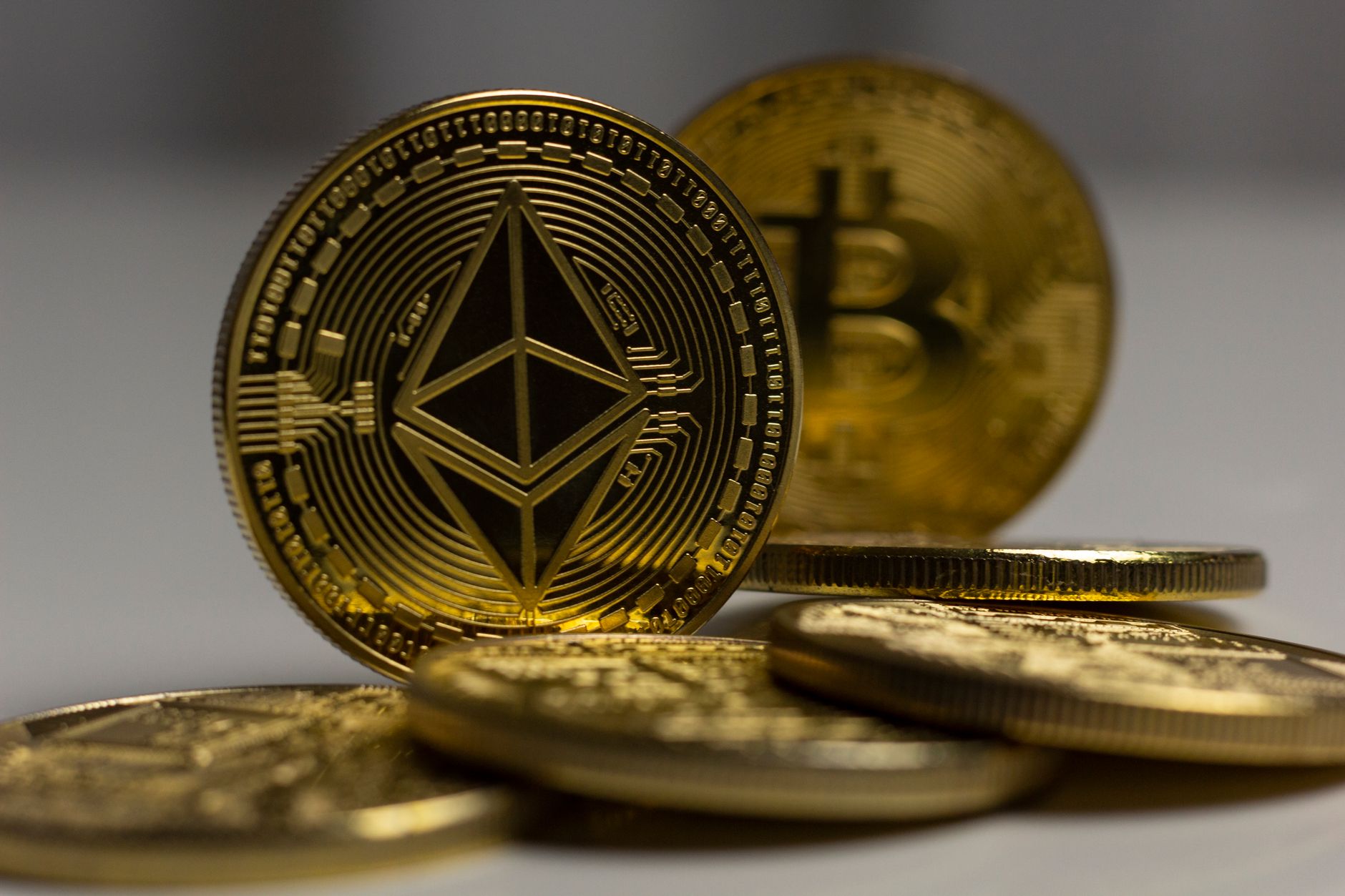
**Fan Tokens & NFTs: Your Ticket to the Action (and More)**<br>Curious how these digital collectibles work and what they actually get you? We'll break down the basics of fan tokens and NFTs, explaining how you can acquire them, what utility they offer during the World Cup (think voting, VIP access, and exclusive content!), and even how they might appreciate in value. Learn practical tips on where to buy them, how to store them securely, and what to look out for to avoid scams.
Fan Tokens and NFTs represent a revolutionary way for supporters to engage directly with their favorite teams and events, especially during monumental occasions like the World Cup. At their core, Fan Tokens are cryptocurrencies issued by sports teams or organizations, offering holders various perks and decision-making power. NFTs (Non-Fungible Tokens), on the other hand, are unique digital assets representing ownership of specific items, moments, or artwork. During the World Cup, these digital collectibles unlock a plethora of utilities: imagine voting on team decisions, gaining VIP access to exclusive events or content, or even participating in unique match-day experiences. Acquiring them is straightforward, typically through cryptocurrency exchanges or dedicated fan token platforms, and storing them securely in a digital wallet is crucial. Understanding the underlying technology and potential for value appreciation is key to maximizing their potential beyond just the immediate event.
Beyond the immediate excitement of the World Cup, Fan Tokens and NFTs offer long-term value and engagement for dedicated fans. When considering an investment, it's vital to research the issuing entity's reputation and the token's long-term utility roadmap. While some tokens may appreciate in value due to scarcity or increased demand, others might primarily serve as a gateway to exclusive experiences. To acquire them, you'll typically need to set up an account on a reputable cryptocurrency exchange or a dedicated fan token platform like Chiliz or Binance. For secure storage, a non-custodial wallet (like MetaMask or Trust Wallet) is highly recommended, giving you full control over your assets. However, always exercise caution and be vigilant against scams. Never share your private keys or seed phrases
and always double-check the legitimacy of any platform or offer before making a purchase. By understanding these practical tips, you can safely navigate the exciting world of Fan Tokens and NFTs.
With the rise of cryptocurrency, many are looking for new and exciting ways to engage with the World Cup, and ethereum world cup betting offers a decentralized and transparent alternative to traditional bookmakers. This innovative approach allows users to place bets using Ethereum, leveraging blockchain technology for secure and verifiable transactions. It's a fascinating development for sports enthusiasts and crypto holders alike, offering a fresh perspective on how we can interact with global sporting events.
**Placing Your Bets: Decentralized Platforms vs. Traditional Bookies (and How to Get Started)**<br>Ready to put your predictions to the test? This section will guide you through the exciting world of decentralized betting platforms. We'll explain the core differences between these Web3 options and traditional sportsbooks, covering the benefits of transparency, lower fees, and censorship resistance. Discover how to connect your wallet, fund your account with crypto, and place your first wager. We'll also address common questions like 'Is it legal?' 'How do I cash out my winnings?' and 'What are the risks involved?'
Stepping into the arena of online betting reveals two distinct contenders: the familiar traditional bookmaker and the burgeoning decentralized platform. While both offer the thrill of prediction, their underlying mechanics are worlds apart. Traditional bookies operate as centralized entities, meaning they control all aspects of your bet, from odds setting to payout. This can lead to a lack of transparency, where you're reliant on their internal processes and terms. In contrast, decentralized betting platforms leverage blockchain technology, creating an immutable and publicly verifiable record of all transactions and odds. This fundamental shift provides unparalleled transparency, allowing users to independently audit the fairness of odds and outcomes. Furthermore, traditional platforms often come with higher operational costs, which are inevitably passed on to the user through less favorable odds or higher fees. Decentralized alternatives, with their streamlined, peer-to-peer nature, typically feature significantly lower fees, maximizing potential returns for bettors.
The transition to decentralized betting is surprisingly straightforward, especially for those already familiar with cryptocurrencies. To get started, you'll first need a compatible cryptocurrency wallet (e.g., MetaMask, Trust Wallet) to connect to the platform. Most platforms support a range of popular cryptocurrencies for funding your account, such as Ethereum (ETH) or various stablecoins. Once connected and funded, navigating the user interface to place your first wager is intuitive, often mirroring the experience of traditional sites but with the added layer of blockchain interaction. Regarding legality, it's crucial to understand that regulations vary by jurisdiction, and while the decentralized nature offers censorship resistance, users are still responsible for adhering to local laws. Cashing out winnings typically involves withdrawing funds back to your connected crypto wallet, from where you can exchange them for fiat currency via a crypto exchange. While risks such as smart contract vulnerabilities and market volatility exist, these are often mitigated by robust platform audits and the inherent security of blockchain technology, ensuring a more secure and equitable betting experience.
"Decentralized platforms are reshaping the betting landscape, offering a new paradigm of trust and control to the user."