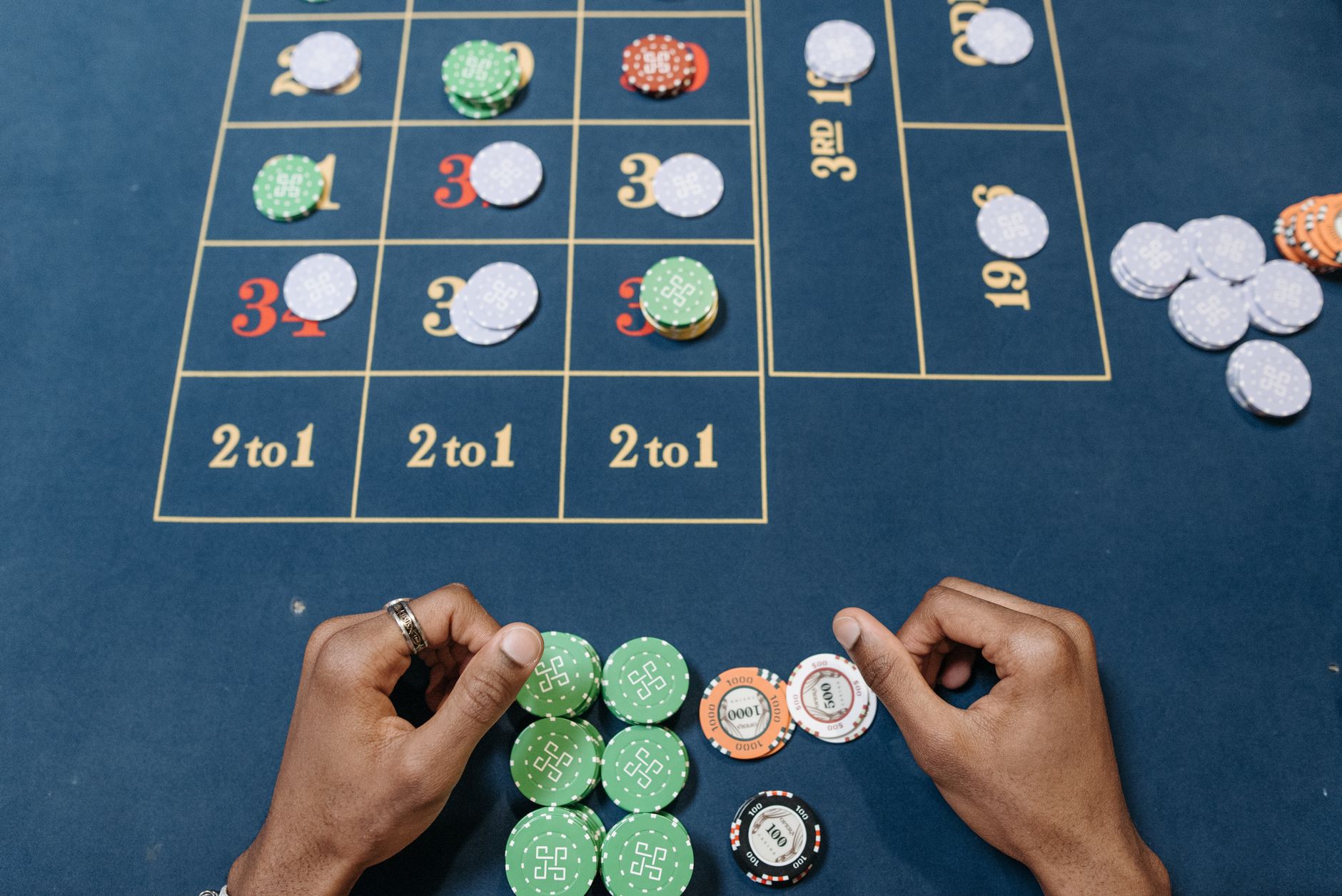
Decentralized Betting vs. Crypto Casinos: What's Under the Hood and Why it Matters for Your Wallet
While both decentralized betting platforms and crypto casinos leverage blockchain technology, their fundamental operational models diverge significantly, impacting everything from transparency to potential returns. Decentralized betting, often built on smart contracts, operates without a central authority. This means:
- Funds are held in escrow by the smart contract itself, not a company.
- Outcomes are verifiable on the blockchain, ensuring fairness.
- Lower overheads often translate to better odds and smaller house edges.
Conversely, crypto casinos, despite accepting cryptocurrencies, typically retain a centralized management structure, similar to traditional online casinos. They manage player funds, control game algorithms (even if provably fair), and are subject to the same regulatory pressures as their fiat counterparts. Understanding this distinction is paramount for anyone looking to engage in blockchain-based gambling, as it directly influences risk, trust, and the potential for censorship resistance.
The 'under the hood' differences between these two models profoundly impact your wallet and overall experience. In decentralized betting, the absence of a middleman means that winnings are paid out directly and automatically by the smart contract upon event conclusion. This eliminates withdrawal delays and the risk of a casino withholding funds. Furthermore, the transparent nature of smart contracts allows users to audit the code, ensuring the fairness of odds and payout mechanisms. Crypto casinos, while offering the convenience of cryptocurrency transactions, still require you to trust a central entity with your deposits and withdrawals. This introduces counterparty risk and the potential for manipulation, even with 'provably fair' games. For the discerning gambler prioritizing security, transparency, and a truly trustless environment, the decentralized model offers a compelling advantage, fostering a more equitable playing field and potentially safeguarding your investments more effectively.
Decentralized betting utilizes blockchain technology to create a transparent and trustless environment for placing wagers. This means that instead of relying on a central bookmaker, participants interact directly with smart contracts, ensuring fairness and immutability. You can learn more about decentralized betting platforms that offer a new paradigm for online gambling.
Navigating the Decentralized Landscape: FAQs, Security, and Smart Strategies for Maximizing Your Crypto Gaming Experience
The burgeoning world of crypto gaming, often dubbed GameFi, presents a unique blend of entertainment and financial opportunity, but it also comes with its own set of complexities. Understanding the decentralized landscape is paramount for a rewarding experience. Many newcomers grapple with fundamental questions like,
"How do I secure my in-game assets?"or
"What are the real risks involved in play-to-earn models?"We'll delve into these crucial FAQs, demystifying concepts such as non-fungible tokens (NFTs), blockchain wallets, and gas fees. Equipping yourself with this foundational knowledge is the first step towards confidently exploring virtual worlds where ownership is truly in your hands.
Beyond the basics, navigating the decentralized landscape effectively requires a strategic approach to security and asset management. Protecting your digital treasures is non-negotiable. This involves not only using strong, unique passwords and multi-factor authentication for your wallets but also being vigilant against phishing scams and malicious smart contracts. Furthermore, smart strategies for maximizing your crypto gaming experience extend to understanding market dynamics for in-game economies, identifying reputable projects, and diversifying your investments. By combining robust security practices with informed decision-making, you can transform your gaming into a truly empowering and potentially lucrative endeavor in this exciting, evolving ecosystem.