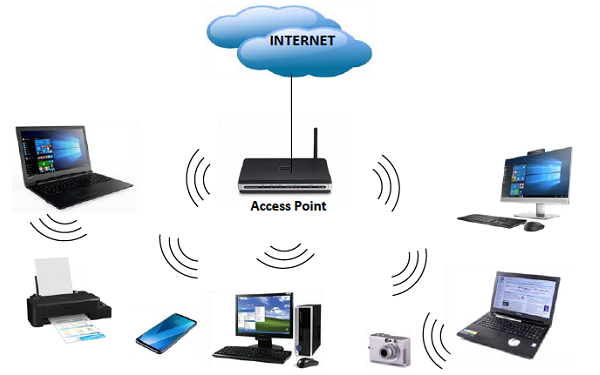
The Ultimate Guide to Wireless Technology: Benefits and Best Practices
Welcome to The Ultimate Guide to Wireless Technology, where we explore the myriad benefits that wireless solutions bring to our modern lives. One of the most significant advantages of wireless technology is its ability to enhance mobility and accessibility. With wireless networks, users can easily connect to the internet from various locations, enabling them to work remotely, stream content, and communicate seamlessly without being tethered to cables. This flexibility increases productivity and convenience, especially in today's fast-paced world where staying connected is paramount.
To maximize the potential of wireless technology, it's essential to implement some best practices. Consider the following tips:
- Secure Your Network: Always use strong passwords and encryption methods to protect your data.
- Optimize Placement: Position wireless routers in central locations to ensure optimal coverage.
- Regular Updates: Keep your devices and firmware updated to safeguard against vulnerabilities.
By adhering to these best practices, you can not only enjoy the benefits of wireless technology but also ensure a safe and reliable connectivity experience.
Counter-Strike is a popular first-person shooter video game series that pits teams of terrorists against counter-terrorists in a variety of objective-based game modes. Players strategize and communicate effectively to eliminate the opposing team or complete objectives. For those interested in gaming accessories, check out the Top 10 wireless chargers for iphone to enhance your gaming setup.
Top 10 Wireless Gadgets That Can Transform Your Home
In today's tech-savvy world, transforming your living space into a smart home has never been easier, thanks to the wide variety of wired gadgets available. Here are the top 10 wireless gadgets that can significantly enhance your home environment:
- Smart Speakers: Devices like Amazon Echo or Google Home can control your smart devices, play music, and answer your questions using just your voice.
- Wireless Security Cameras: Enhance your home's safety with wireless security cameras, which allow remote viewing and notifications straight to your smartphone.
- Smart Thermostats: These gadgets learn your heating and cooling habits, optimizing energy use while keeping you comfortable.
- Wireless Lighting Systems: Control the ambiance of your home with smart bulbs that can change color and intensity through an app or voice command.
- Wi-Fi Smart Plugs: Turn your ordinary appliances into smart ones by controlling them remotely through your smartphone.
Documentation of smart technology is constantly evolving, but several gadgets stand out for their practicality and ease of use. For instance:
- Robotic Vacuum Cleaners: These wireless janitors keep your floors clean while you relax or take care of other tasks.
- Smart Doorbells: Greet guests or monitor deliveries from anywhere using a doorbell with a built-in camera.
- Wireless Home Speakers: Enjoy high-quality audio throughout your home with systems that connect seamlessly to your devices.
- Smart Fridges: Modern refrigerators now come with touchscreens and Wi-Fi connectivity, allowing you to manage your grocery list and recipes.
- Smart Smoke Detectors: Keep your home safe with alarms that send alerts to your phone, ensuring you're always informed, even when you're away.
Is Wireless the Future? Exploring the Advantages and Disadvantages of Going Cordless
The question of whether wireless technology is the future involves examining both its significant advantages and notable disadvantages. On one hand, the advantages of going cordless are compelling. For instance,
- Increased mobility: Wireless devices allow users to be untethered from traditional cords, providing the freedom to move around freely.
- Enhanced convenience: No more tangled wires means a cleaner space and a straightforward setup for devices.
- Easy scalability: New wireless devices can be easily added without the need for extensive wiring work.
- Improved aesthetics: Without cables, spaces look more streamlined and modern.
On the other hand, it is essential to acknowledge the disadvantages of wireless technology. These can include issues such as
- Reliability: Wireless connections can be susceptible to interference, leading to dropped signals or slower data transfer rates.
- Security risks: Wireless networks can be more vulnerable to unauthorized access, making security a paramount concern for users.
- Battery life: Many wireless devices rely on battery power, which requires regular recharging and might limit usage time.