Understanding USB-C: Advantages and Features Explained
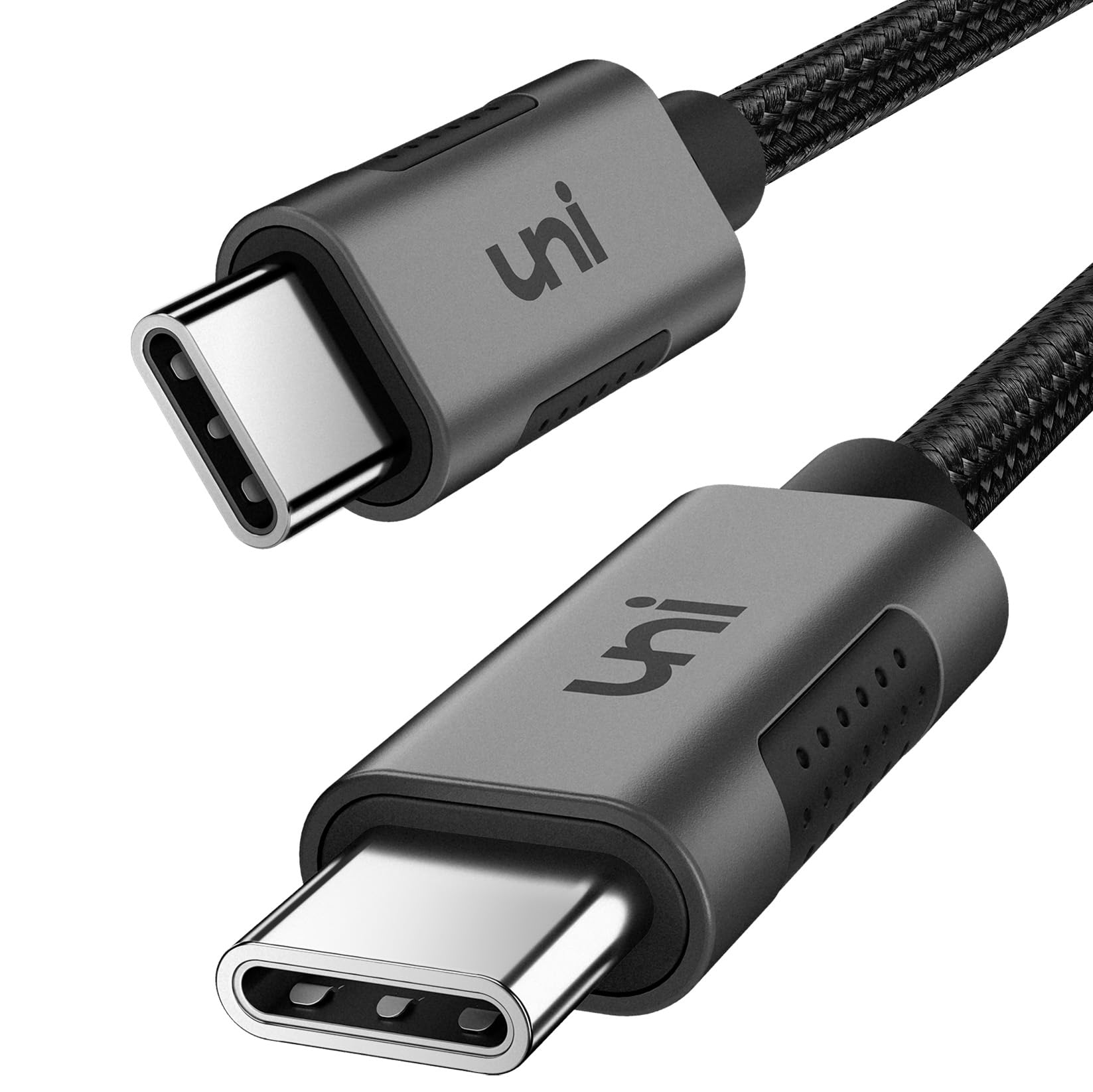
USB-C has rapidly become the standard connector for many devices, offering numerous advantages that set it apart from previous USB standards. One of the primary benefits of USB-C is its reversible design, eliminating the frustration of inserting cables the wrong way. This modern connector supports faster data transfer rates, with specifications capable of reaching up to 10 Gbps, depending on the version. Additionally, USB-C is not limited to data transfer; it also enables power delivery (PD), allowing devices to charge quickly and efficiently, with some cables supporting up to 100 watts of power.
Another significant advantage of USB-C is its versatility. This universal connection type can be found in a wide range of devices, from smartphones and laptops to gaming consoles and peripherals. USB-C also supports various protocols such as HDMI, DisplayPort, and Thunderbolt 3, enhancing its functionality. As the industry shifts towards adopting USB-C as the norm, users can expect improved compatibility and reduced clutter, making it an essential feature for modern technology setups. With its numerous advantages and features, understanding USB-C is crucial for anyone looking to upgrade or streamline their electronic connections.
Counter-Strike is a popular tactical first-person shooter game that has captivated players since its release. The game emphasizes team-based gameplay and strategy, where players can choose to be part of the terrorist or counter-terrorist forces. The game also requires players to have the right gear, much like choosing the Top 10 MacBook Accessories for Office to enhance their productivity and performance. With its competitive scenes and ever-evolving gameplay, Counter-Strike remains a staple in the gaming community.
USB-C vs. Other Connectors: What You Need to Know
When it comes to connectivity in our modern devices, USB-C stands out as a versatile and powerful option. Unlike traditional connectors such as USB-A and USB-B, USB-C offers reversible design, allowing users to plug in their devices without worrying about orientation. Additionally, it supports a wide range of functionalities, including data transfer, video output, and charging, all through a single cable. This means you can connect your laptop, tablet, or smartphone with ease, reducing cable clutter and enhancing user experience.
However, understanding the nuances of USB-C compared to other connectors is essential for making informed choices. For instance, while USB-A is still widely used, it lacks the speed and advanced features of USB-C. On the other hand, Thunderbolt 3 uses the USB-C connector but offers even faster data rates and additional capabilities. Therefore, when selecting devices and accessories, it’s crucial to consider compatibility, speed requirements, and future-proofing your technology investments. Whether you’re upgrading your tech or simply organizing your workspace, knowing the differences will help you make the best decision for your needs.
Common Questions About USB-C: Is It the Future of Connectivity?
The introduction of USB-C ports has revolutionized connectivity, offering a universal solution for charging and data transfer across a wide range of devices. As many electronics manufacturers adopt this versatile standard, consumers are left wondering: is USB-C the future of connectivity? To answer this, it's essential to consider its benefits, such as faster data transfer rates, higher power delivery capabilities, and the convenience of a reversible connector. These features not only enhance user experience but also pave the way for more streamlined and efficient technologies.
Many people have questions regarding USB-C, including compatibility with existing devices, longevity, and its implications for future tech advancements. For example, is USB-C compatible with older USB types? The answer is yes, with the help of adapters. Furthermore, as technology continues to evolve, experts predict that USB-C will become the common standard for various industries, from consumer electronics to automotive. With its growing prevalence, many believe that USB-C is set to dominate the connectivity landscape in the years to come.