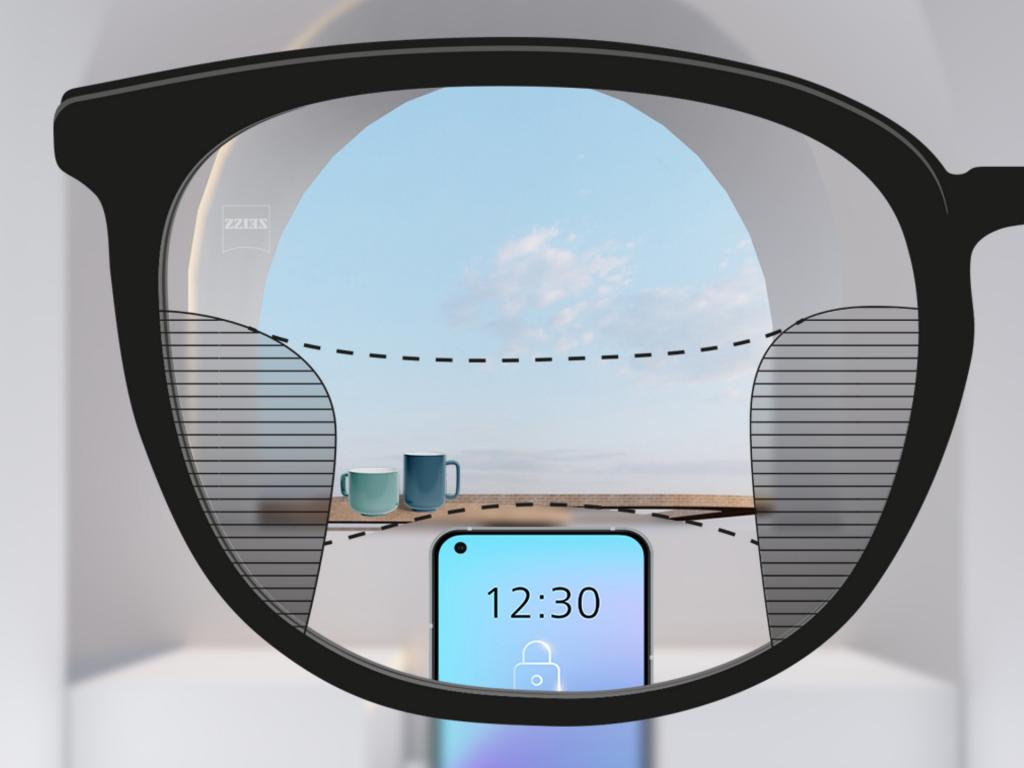
The Science Behind Lenses: How They Alter Our Perception of Reality
The fundamental science behind lenses lies in their ability to bend light through refraction. When light passes through a lens, its speed changes, resulting in the bending of the light rays. This phenomenon allows lenses to focus light onto a specific point, known as the focal point. Depending on the curvature and material of the lens, they can either converge or diverge light rays, leading to different types of visual perceptions. For instance, **convex lenses** are used in magnifying glasses and are responsible for making objects appear larger, while **concave lenses** create the illusion of depth by spreading light rays outward.
Moreover, the impact of lenses extends beyond mere magnification; they profoundly alter our perception of reality. In photography, the choice of lens can dramatically change the composition of an image, influencing how we perceive distance, scale, and detail. Lenses can also play a crucial role in virtual reality and augmented reality environments, where they create immersive experiences that blend digital and physical realities. Understanding the science of lenses not only helps us appreciate the technology behind our vision but also enriches the way we interact with the world around us.
Counter-Strike is a popular first-person shooter game that emphasizes teamwork and strategy, where players can choose to play as either terrorists or counter-terrorists. The game has a vibrant esports scene and has influenced many other titles in the genre. For those interested in enhancing their smartphone photography, check out these Top 10 iphone photography accessories to take your photos to the next level.
A Visual Journey: Exploring Different Types of Lenses and Their Impact on Vision
When it comes to understanding vision, one of the fundamental elements to consider is the type of lenses used in eyewear and optical devices. Different types of lenses serve distinct purposes, profoundly impacting how we perceive the world around us. For instance, convex lenses are designed to correct hyperopia, or farsightedness, by bending light rays inward, allowing for clearer vision at close distances. Similarly, concave lenses, which correct myopia or nearsightedness, diverge light rays outward, enabling individuals to see objects clearly at a distance. This variety in lens design highlights the crucial role that optics play in enhancing human experience.
Furthermore, specialized lenses like photochromic lenses and polarized lenses introduce additional dimensions to visual performance. Photochromic lenses, also known as transition lenses, automatically adjust their tint based on the surrounding light conditions, providing comfort and protection from UV rays. Meanwhile, polarized lenses excel at reducing glare from reflective surfaces, making them ideal for activities such as driving or fishing. These advancements not only improve visual acuity but also enrich the enjoyment of outdoor activities, demonstrating the profound impact lenses have on our daily lives.
How Do Lenses Influence Our Understanding of Art and Nature?
The concept of lenses in both art and nature serves as a powerful metaphor for understanding how our perceptions are shaped. Just as a camera lens can alter the focus and depth of a photograph, the lenses we use—be they cultural, emotional, or intellectual—profoundly influence how we interpret visual experiences. For instance, when we view a painting, our cultural background and personal experiences act as filters, determining whether we see it as a mere aesthetic object or as a profound commentary on societal issues. This dynamic interaction between the artwork and the viewer emphasizes the notion that art is not merely a reflection of reality but a complex dialogue mediated by our lenses.
Similarly, when observing nature, our understanding is deeply affected by the lenses we apply. Ecologists might view a landscape through a scientific lens that emphasizes biodiversity and ecosystem health, while an artist may see the same scene as a source of inspiration for color and composition. This brings us to an important consideration: the way we interpret nature can differ greatly based on our experiences, professions, and even emotional states. To truly appreciate both art and nature, it's crucial to be aware of our individual lenses and to embrace a broader perspective that allows for multiple interpretations and deeper insights.