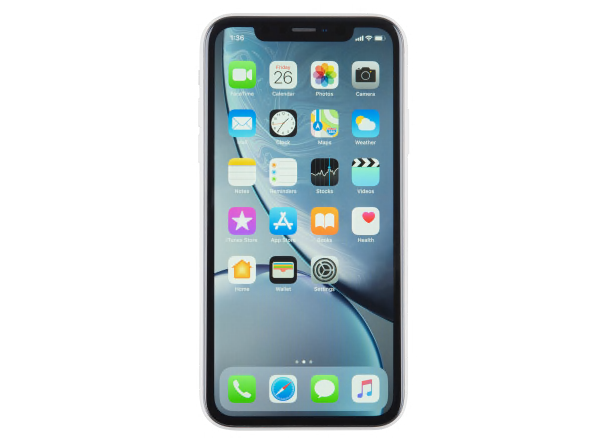
10 Hidden Features of the iPhone You Didn't Know Existed
The iPhone is packed with features that many users are unaware of, making it a treasure trove of hidden functionalities. One of the most intriguing is Back Tap, a quick shortcut that allows you to take screenshots or launch apps simply by tapping the back of your device twice or thrice. To activate it, go to Settings > Accessibility > Touch > Back Tap. Another lesser-known feature is the Screen Recording, which lets you capture everything happening on your screen. This can be handy for tutorials or sharing gameplay clips. Just enable it from Settings > Control Center > Customize Controls, and you’ll have it ready at your fingertips!
Another hidden gem in the iPhone ecosystem is the Hidden Album feature in Photos, which allows you to keep specific images away from prying eyes. Simply go to your Photos app, select the album you want to hide, then tap Hide to secure your privacy. Additionally, the iPhone can help you manage your notifications through the Scheduled Summary option, allowing you to receive notifications at specific times rather than being bombarded throughout the day. This can significantly improve your productivity and focus. To set it up, visit Settings > Notifications > Scheduled Summary, and customize it according to your preferences.
Counter-Strike is a highly popular first-person shooter game that pits two teams, terrorists and counter-terrorists, against each other in various objective-based scenarios. Players can choose to play in a number of game modes, including competitive and casual, with a focus on teamwork, strategy, and skill. The game has a vast esports scene, with numerous tournaments worldwide. If you're also looking for some accessories to enhance your gaming experience, check out the Top 10 iPhone Air accessories for insightful recommendations.
How the iPhone Transformed Communication: A Historical Overview
The launch of the iPhone in 2007 marked a significant turning point in the landscape of communication. By combining a phone, an iPod, and an internet communicator into a single device, Apple revolutionized how individuals interacted with technology. Users were no longer confined to traditional calling and texting; they gained access to the internet, email, and social media at their fingertips. This transformation was propelled further by the introduction of the App Store in 2008, which allowed third-party developers to create applications that enhanced the functionality of the iPhone and redefined personal communication through instant messaging apps, video calls, and social networking platforms.
Over the years, the influence of the iPhone has extended beyond mere convenience, shaping social behaviors and cultural norms. The device has made communication more immediate and interconnected, breaking down geographical barriers. A survey conducted by Pew Research in 2021 revealed that nearly 85% of smartphone users rely on their devices for daily communication, a drastic shift from the pre-iPhone era. Furthermore, the integration of features such as FaceTime and iMessage has facilitated real-time interactions that foster deeper connections—an evolution that echoes the growing trend of prioritizing digital communication in our increasingly fast-paced society.
Is the iPhone Worth the Investment? A Comprehensive Guide
When considering whether the iPhone is worth the investment, it's crucial to examine its features, performance, and longevity. The iPhone series is known for its premium build quality, intuitive interface, and seamless integration with the Apple ecosystem. Many users appreciate the regular software updates that enhance security and introduce new features, a distinct advantage over many competitors. This commitment to updates means that a well-maintained iPhone can remain functional and relevant for several years, which is an essential factor in determining its overall value.
Furthermore, the iPhone tends to retain its resale value better than other smartphones, making it a more economically sound purchase in the long run. According to recent studies, iPhones typically retain around 60-70% of their value after one year, while some Android phones depreciate significantly faster. Fine-tuning your budget also involves factoring in various financing options and trade-in programs offered by Apple, which can alleviate the initial cost burden. Ultimately, weighing these elements can help potential buyers assess if the iPhone is a worthwhile investment for their needs in today's competitive smartphone market.