The Future of Energy: How Wireless Charging is Revolutionizing Technology
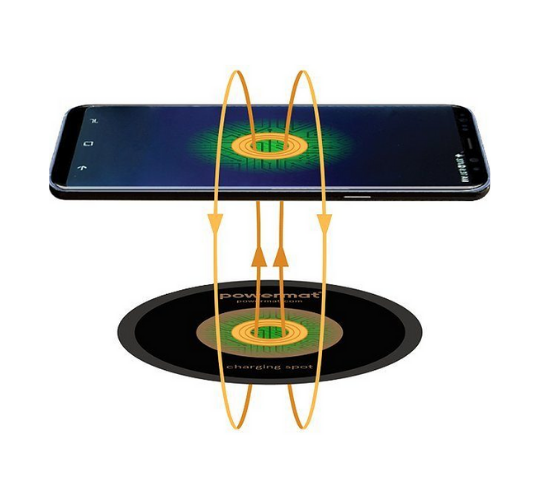
The future of energy is being reshaped by innovative technologies, and one of the most exciting advancements is wireless charging. This technology, which uses electromagnetic fields to transfer energy between two objects, is rapidly revolutionizing how we power our devices. With the convenience of simply placing a device on a charging pad, we are moving towards a more streamlined and efficient way of keeping our gadgets powered. As wireless charging becomes more prevalent, industry leaders are investing in research and development to enhance its capabilities, enabling longer charging distances and faster energy transfer rates.
Moreover, the implications of wireless charging extend far beyond consumer electronics. Industries such as automotive and healthcare are beginning to embrace this technology to improve energy efficiency and user experience. For example, electric vehicles are now being equipped with wireless charging systems, allowing them to recharge without the need for cumbersome cables. In healthcare, wireless solutions can be used to power medical devices, reducing the risk of contamination associated with traditional charging methods. As we look towards the future of energy, it's clear that wireless charging is not just a trend but a transformative force that will redefine our relationship with technology.
Counter-Strike is a highly popular tactical shooter game that has captured the hearts of gamers worldwide. It emphasizes teamwork and strategy, requiring players to work together to complete objectives or eliminate the opposing team. If you're looking to keep your gaming devices charged during long play sessions, check out the Top 10 magsafe power banks for reliable power solutions that will keep you in the action.
Debunking Myths: What You Need to Know About Wireless Charging
Wireless charging has gained popularity in recent years, but it's surrounded by several myths that can lead to misconceptions among consumers. One common myth is that wireless charging is significantly slower than traditional wired charging. While wireless charging may not always match the speed of newer wired chargers, advancements in technology have made wireless charging nearly as fast. For example, some wireless chargers now support fast charging, allowing devices to charge at comparable speeds to their wired counterparts. It's essential to check the specifications of both the device and charger to ensure optimal performance.
Another misconception is that wireless charging can harm your device's battery life. In reality, using a reputable wireless charger will not damage your battery. The worry about overheating is often overstated; most modern devices are equipped with thermal management systems that help regulate temperature during charging. Additionally, wireless chargers typically have features like automatic shut-off and foreign object detection to ensure safe charging. By understanding these factors, you can confidently enjoy the convenience of wireless charging without the fear of battery damage.
Is Wireless Charging Right for You? Pros and Cons to Consider
Wireless charging has gained popularity as a convenient alternative to traditional charging methods. One of the main pros is the ease of use; simply place your device on a charging pad, and it begins to power up without the hassle of plugging in cables. This can be particularly beneficial for those who are frequently on the go, making it a great option for car chargers or bedside tables. Additionally, multiple devices can often be charged simultaneously with a multi-device charging pad, reducing clutter and the need for multiple cables.
However, it's essential to consider the cons of wireless charging as well. One significant drawback is the slower charging speed compared to wired charging, which may not be ideal for those who require quick power boosts. Moreover, wireless charging stations can be less efficient, leading to increased energy consumption over time. Compatibility is also an issue; not all devices support wireless charging, so investing in the technology might not be worthwhile for everyone. In summary, weighing the pros and cons is crucial to determine if wireless charging aligns with your lifestyle and charging needs.