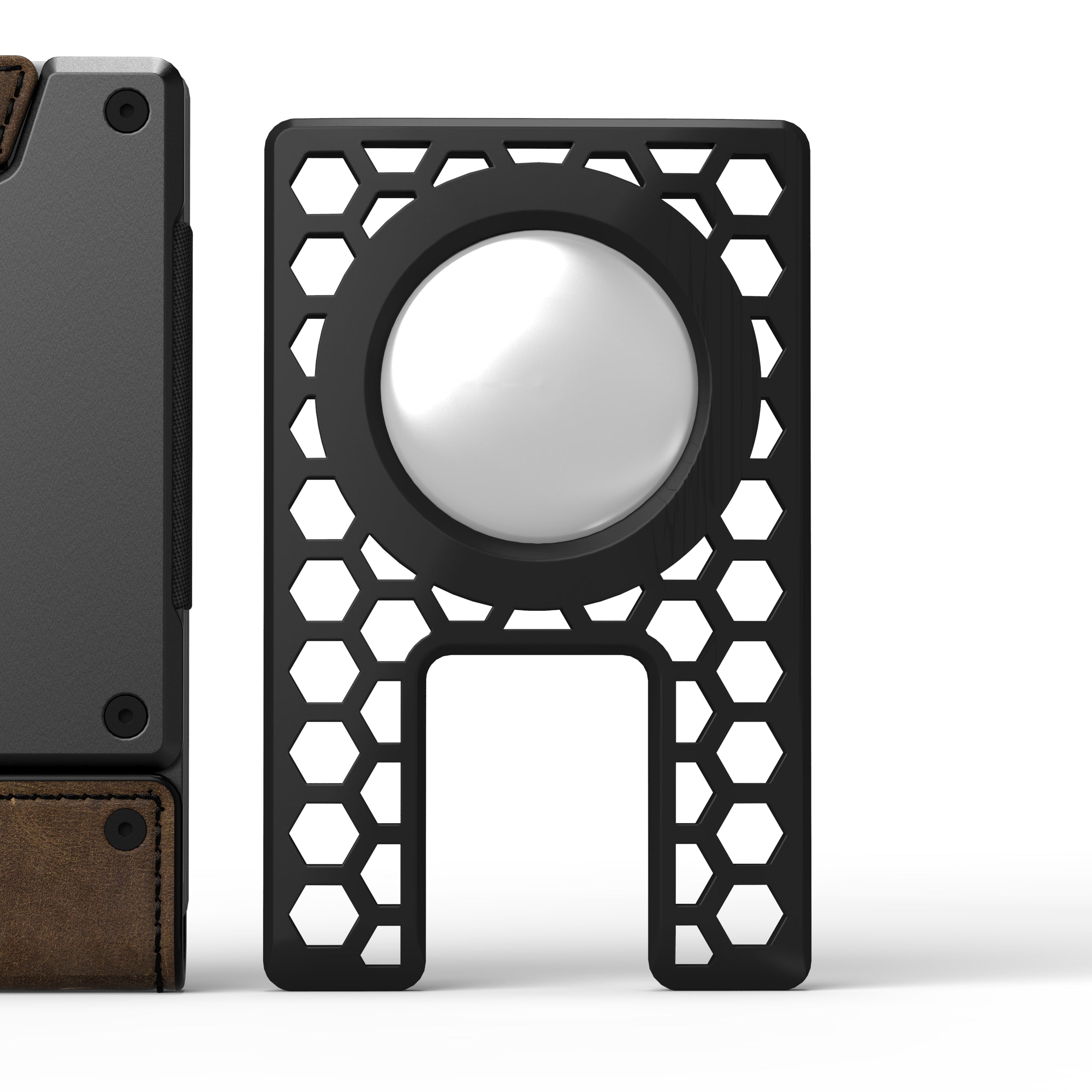
How Does AirTag Work? A Deep Dive into Apple's Tracking Technology
The Apple AirTag is a small tracking device designed to help users locate personal items such as keys, bags, or even pets. At its core, it uses the Bluetooth technology to interact with nearby devices. When you attach an AirTag to an item, it communicates with any nearby Apple devices through Bluetooth signals. These devices anonymously relay its location back to the owner using the Find My network, ensuring privacy and security. This vast network of Apple devices makes AirTag tracking highly effective, as it can utilize millions of devices to pinpoint the location of a lost item without overwhelming the user with information.
In addition to Bluetooth, AirTag also incorporates U1 chip technology that leverages Ultra Wideband (UWB) for precision tracking. When you get close to your AirTag, your iPhone can use this technology to provide directional cues, guiding you to your lost item with incredible accuracy. Furthermore, if an item goes out of range, AirTag can enter Lost Mode, which notifies you when its location is detected by others’ devices. Overall, AirTag represents a seamless integration of hardware and software that enhances everyday life by making it easier for users to keep track of their belongings.
Counter-Strike is a popular multiplayer first-person shooter game that has garnered a massive following since its initial release in 1999. Players can choose to play as terrorists or counter-terrorists, engaging in various objective-based missions. For those looking to enhance their gaming experience with the best gear, check out the Top 10 airtag keychains for keeping track of your gaming accessories.
10 Creative Ways to Use AirTag Beyond Lost Keys
While Apple’s AirTag is primarily known for tracking lost keys, its versatility allows for a myriad of innovative uses that go beyond just finding forgotten items. Here are 10 creative ways to utilize your AirTag effectively:
- Pet Tracking: Attach an AirTag to your pet's collar to keep track of their whereabouts, ensuring you never lose sight of your furry friend during walks or at parks.
- Travel Companion: Place an AirTag in your luggage to monitor its location while traveling, giving you peace of mind and helping you track down lost bags.
- Children’s Backpack: Secure an AirTag in your child’s backpack to keep an eye on them when they're at school or out playing with friends.
- Remote Controls: Stick an AirTag on your TV remote or gaming console to eliminate the frustration of searching for misplaced remotes around the house.
In addition to these practical applications, consider some of the more inventive uses of AirTag. For instance, vehicle tracking can be simplified by placing an AirTag in your car, helping you locate it in crowded parking lots. You can also use AirTags for inventory management in small businesses, keeping track of valuable tools or items that often go missing. Even event planning can benefit from AirTags by attaching them to items like your guest book or gift table, ensuring that everything stays in its designated spot throughout your event.
- Keychains for Shared Spaces: Use AirTags on shared items in communal areas, such as office spaces, to help team members locate necessary tools efficiently.
- Arts and Crafts: Incorporate AirTags into your creative projects, like tagging artwork or handmade crafts, to provide buyers with a digital trail of authenticity.
- Long-term Rentals: If you rent outdoor gear, consider adding an AirTag for easy return tracking, making sure that everyone is responsible for what they borrow.
Is AirTag Worth It? Pros and Cons of Apple's Tracking Device
Apple's AirTag has gained popularity as a smart tracking device, designed to help users locate items like keys, bags, and wallets with ease. One of the main pros of the AirTag is its integration with the Find My network, allowing users to leverage a vast network of Apple devices to track lost items. This feature not only enhances the device's accuracy but also increases the chances of locating misplaced belongings. Additionally, the AirTag's compact and lightweight design makes it easy to attach to various items without adding bulk, while its user-friendly interface ensures that even those less tech-savvy can easily set it up and use it effectively.
However, there are cons to consider before purchasing an AirTag. One major drawback is the lack of a built-in speaker, which makes it difficult to locate items if they’re out of Bluetooth range. Moreover, some users have raised privacy concerns, as the tracking capabilities could potentially be misused for stalking or unwanted tracking. Battery life is also a factor to consider; while it lasts around a year, it will eventually need replacement. Overall, weighing the pros and cons is crucial when deciding whether the AirTag is worth the investment for your tracking needs.